
CALL FOR ESTIMATE
908-232-6600
Category: Uncategorized
-
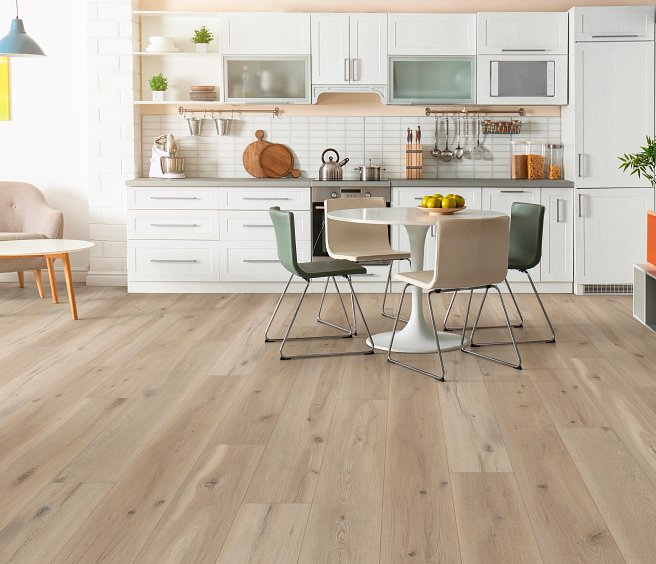
White Lines in Wood Floor Finishes: Understanding Finish Fracture Under Winter Stress
New York City Wood Floors White Lines in Wood Floor Finishes Understanding Finish Fracture Under Winter Stress By February, many winter wood flooring concerns have moved beyond movement and noise and into appearance. Fine white lines appear along board edges. Hairline fractures show up at end joints. Under raking light, the floor suddenly looks stressed—sometimes…
-
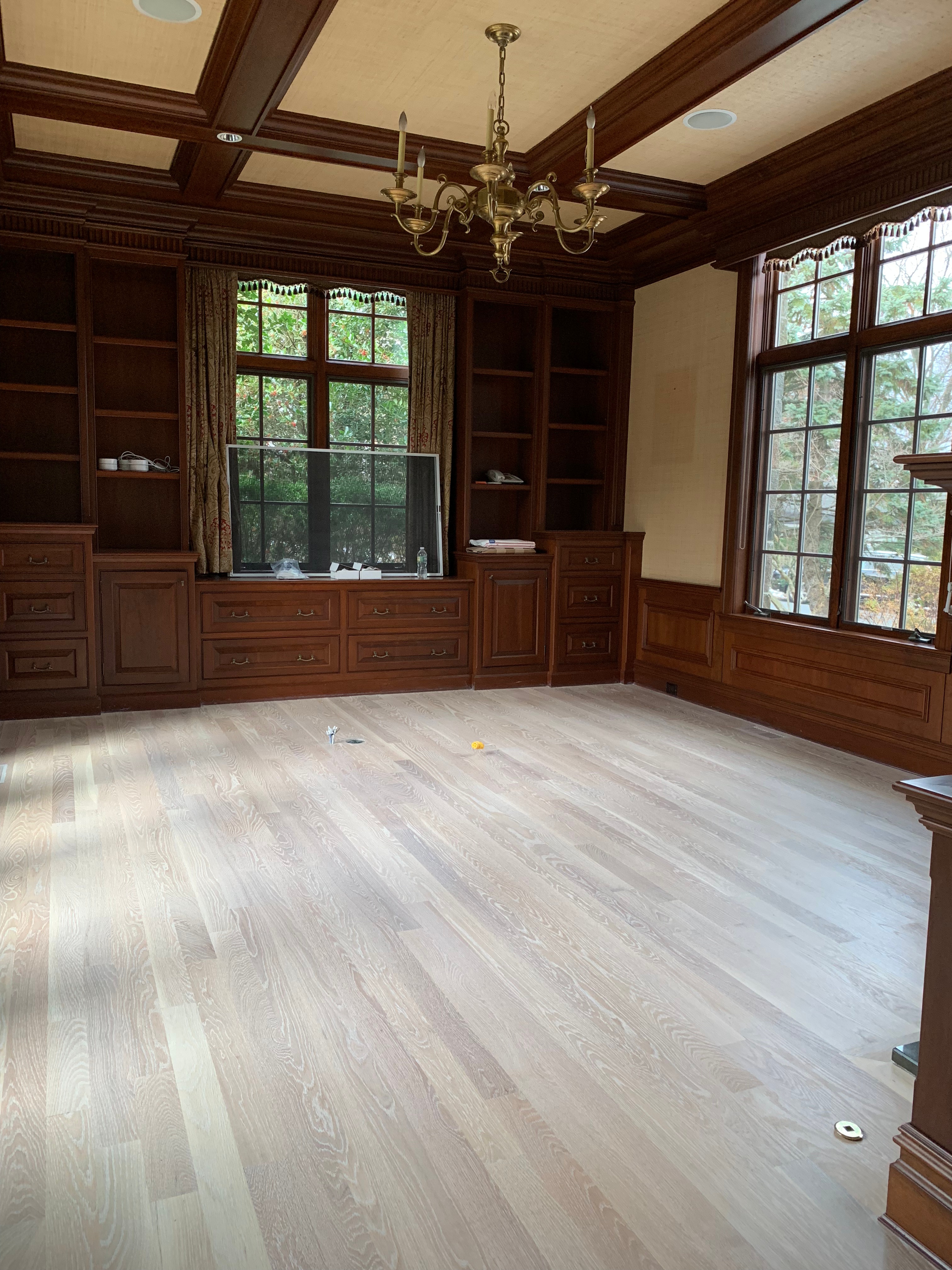
Sidebonding in Winter Conditions: When Adhesives Restrict Natural Wood Movement
New York City Wood Floors Sidebonding in Winter Conditions When Adhesives Restrict Natural Wood Movement By February, most winter wood flooring problems are no longer theoretical. The building has been heated for weeks. Interior relative humidity has reached its seasonal low. Wood flooring has already done most of its seasonal contraction. What remains is not…
-
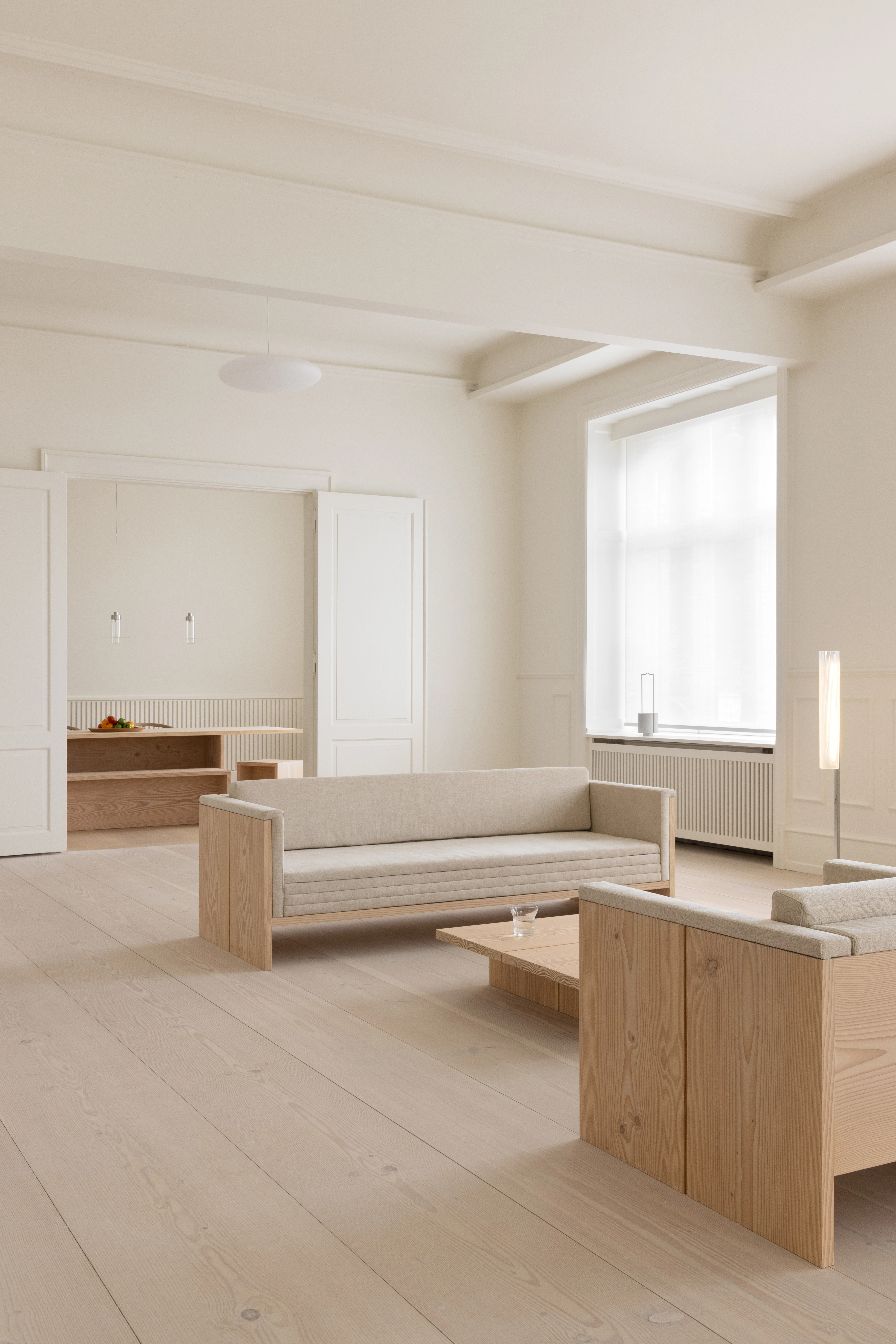
Engineered Flooring Is Not Dimensionally Inert
New York City Wood Floors Engineered Flooring Is Not Dimensionally Inert The Winter Limits of “Stability” in Engineered Wood Systems Engineered wood flooring is frequently specified in winter for one primary reason: stability. Compared to solid wood, engineered flooring is widely understood to be more dimensionally stable, less reactive to seasonal change, and therefore more…
-
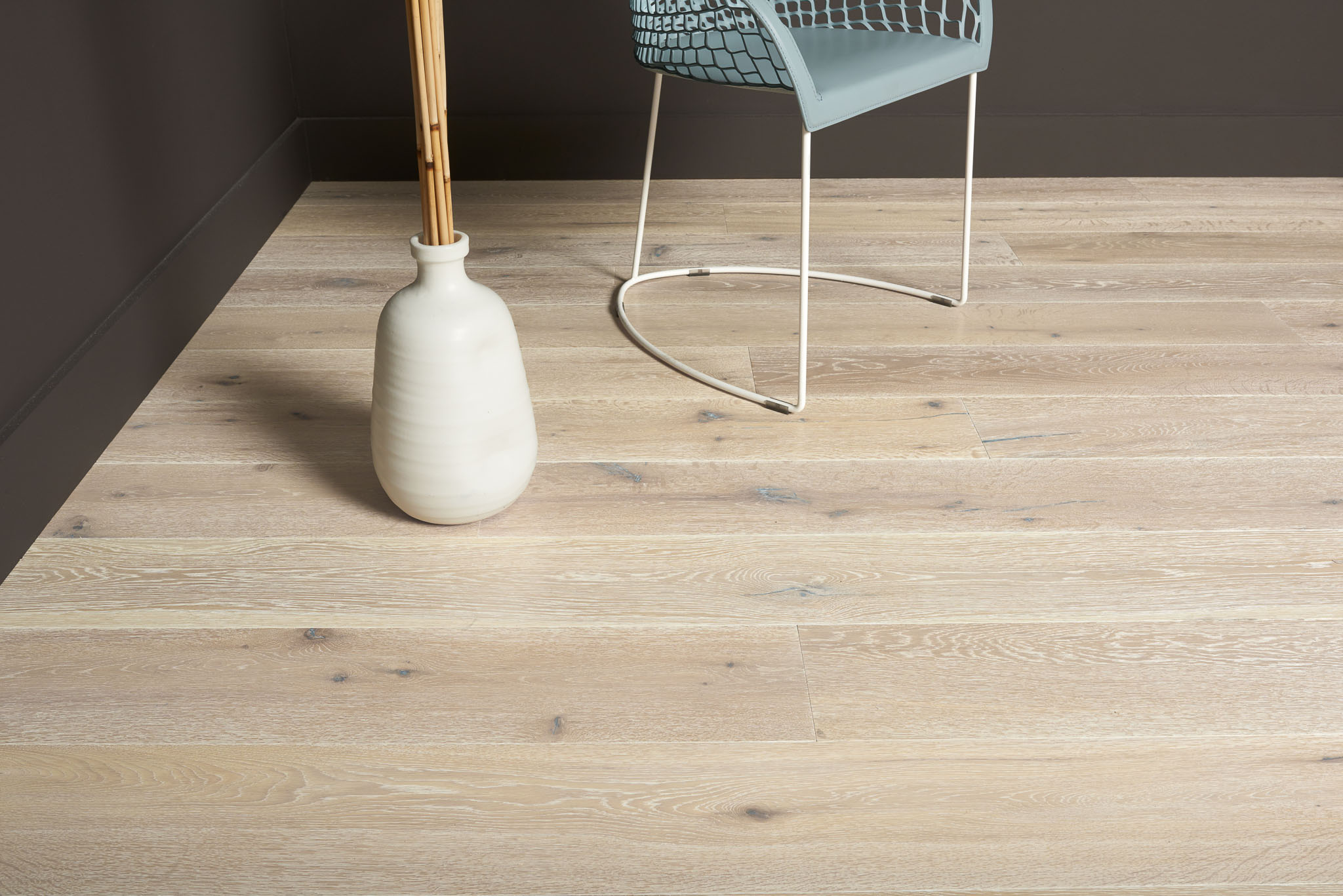
Lathe Checks Are Not Cracks: Understanding Veneer Behavior in Dry Winter Environments
New York City Wood Floors Lathe Checks Are Not Cracks Understanding Veneer Behavior in Dry Winter Environments Few winter flooring discoveries cause more alarm than visible lines appearing in engineered wood planks. Homeowners notice what look like cracks running with the grain. Designers worry about veneer failure. Builders fear product defects. Replacement is often discussed…
-
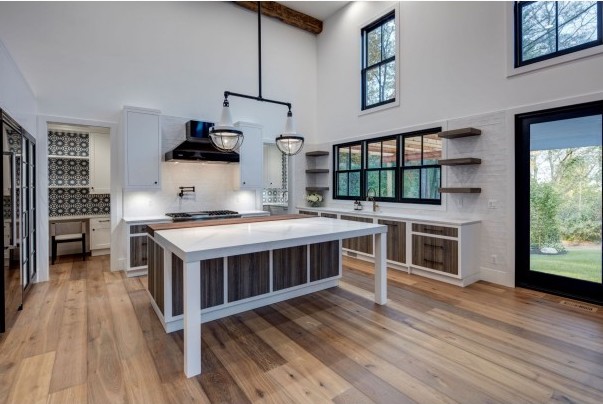
Hollow Sounds in Wood Floors: Mid-Winter Loss of Contact Without Loss of Attachment
New York City Wood Floors Hollow Sounds in Wood Floors Mid-Winter Loss of Contact Without Loss of Attachment By February, many wood floors are no longer changing rapidly—but they are behaving differently. Movement has largely occurred. Shrinkage has stabilized. Interior conditions have remained dry for weeks. It is at this stage of winter that occupants…
-
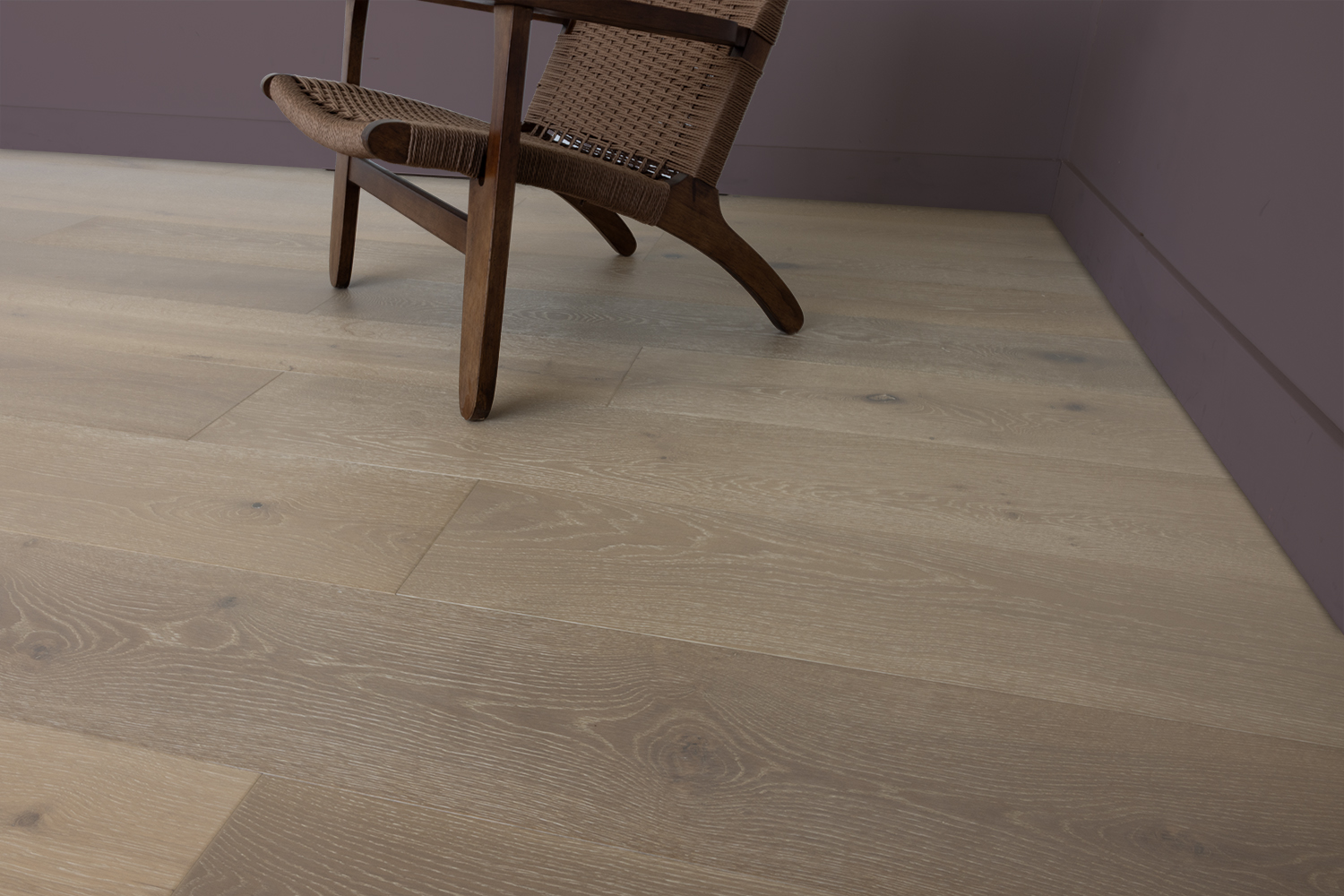
Finish Adhesion Failures in Winter: When the Problem Isn’t the Finish
New York City Wood Floors Finish Adhesion Failures in Winter When the Problem Isn’t the Finish Finish failures are often treated as surface problems. A coating peels, flakes, or separates. Wear patterns appear prematurely. Sheen becomes uneven or cloudy. The immediate assumption is that something went wrong with the finish itself—its formulation, application, or cure.…
-
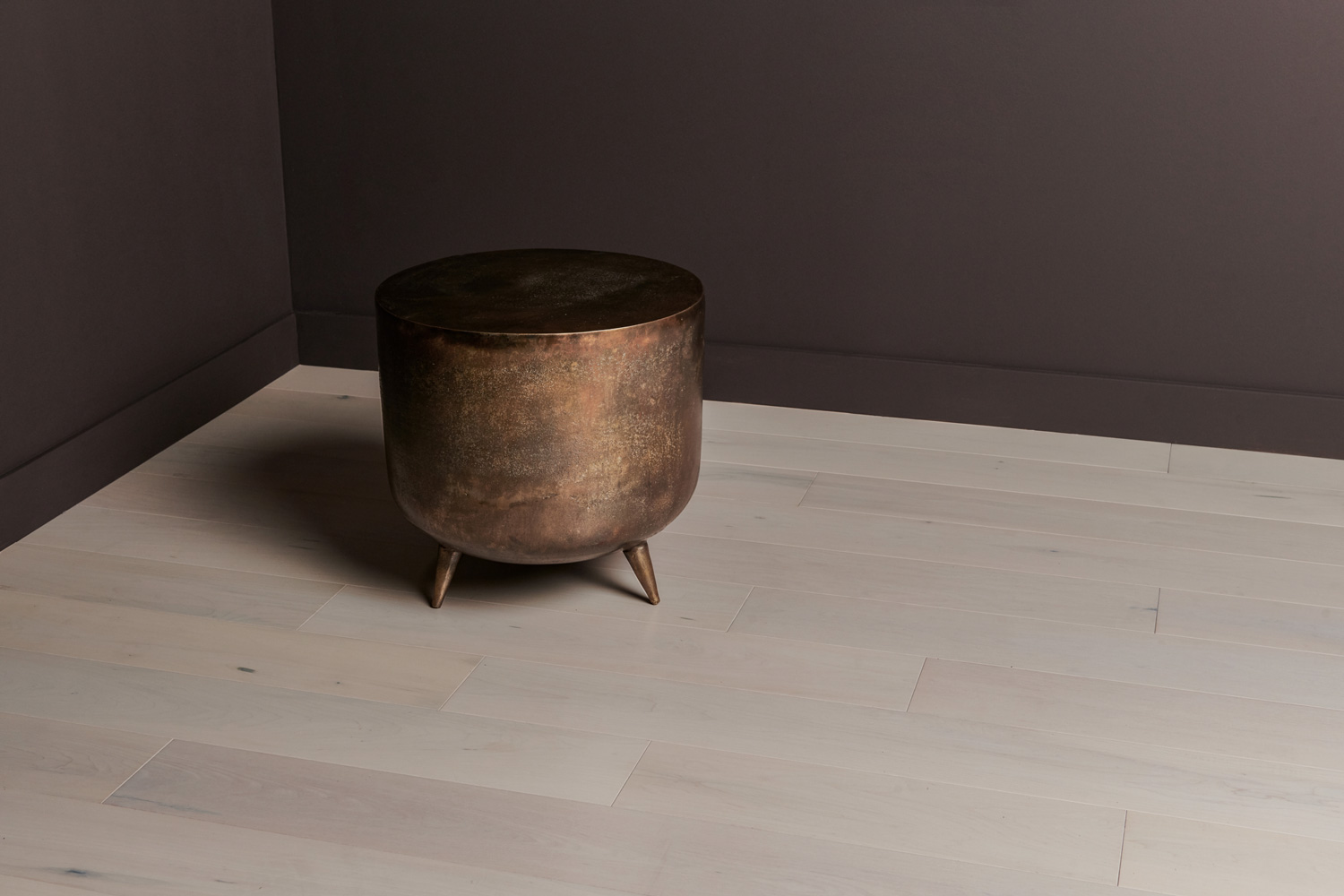
Dry Winter Air and Wood Flooring How Shrinkage Creates Gaps, Noise, and Structural Stress
New York City Wood Floors Dry Winter Air and Wood Flooring How Shrinkage Creates Gaps, Noise, and Structural Stress During winter, many wood flooring concerns are dismissed as cosmetic or seasonal. Small gaps appear. Floors begin to sound hollow or squeak. Boards feel slightly less solid underfoot. These changes are often explained away as “normal…
Categories
- Acclimation
- Alpine, New Jersey 07620
- Architects and Designers
- Bedminster NJ , 07921
- Bergen County
- Berkeley Height, NJ 07922
- Berkley Heights NJ, 07069
- Bernardsville NJ, 07924/07931
- Bespoke Wood Floors
- Best the of Best Wood Floors
- Bona
- Certified Inspector
- Cerused Wood floors
- Chatham Township, NJ 07928
- Chatham, Nj 07928
- Chelsea Floors
- Chelsea NYC
- Chelsea, NY 12512
- Chester Township, NJ 07930
- chevron new york city
- Chevron Wood Floors
- Colts Neck Township, NJ 07722
- Common Wood Flooring Problems
- Custom Wood Floors New York City
- Dumbo Brooklin, NY 11201
- DUMBO Brooklyn Wood Floor
- Dustless Sanding
- Edgewater, NJ 07020
- End Grain
- essex county
- Essex Fells, New Jersey 07021
- European wood flooring
- FAQ ABOUT WOOD FLOORS
- Flatiron District Wood Floors
- Flatiron, NY 10011
- Franklin Lakes, NJ 07417
- Fumed Oak Floors
- Glen Ridge, NJ 07059
- Glen Rock, NJ 07452
- Go Green
- Harding Township, NJ 07976
- Hardwood Floors
- Haworth, Nj 07641
- Ho-Ho-Kus, NJ 07423
- Hoboken, NJ 07030
- Install
- Intelaken, NJ 07712
- Issues With Your Wood Floors
- Kinnelon, Nj 07405
- Lenox Hill, NY 10075
- Little Silver, NJ 07739
- Livingston, NJ 07039
- Loba
- LV WOOD FLOORS
- Madison NJ, 07940
- Mahwah, NJ 07430
- Maintenance & Cleaning of Wood Floors
- Mantoloking
- Mendham Township, NJ 07945
- Midtown Manhattan Wood Floors
- MidTown Manhattan, NY 10017
- Midtown Manhattan, NY 10138
- Millburn ,NJ 07041
- Monmouth County
- Montclair, NJ 07028
- Montgomery, Nj 08502
- Montvale, NJ 07645
- Morris Township, NJ 07950
- Morristown NJ 07960-07963
- Mountain Lakes, NJ 07046
- Mountainside, NJ 07712
- New Providence, NJ 07974
- New York
- Noho,NY 10012
- North Caldwell, NJ 08553
- Old Tappen, NJ 07675
- Park Slope, NY 11215
- Princeton, NJ 08540
- Randolph, NJ 07869
- RECLAIMED WOOD FLOORS
- Refinish
- Ridgewood, NJ 07450
- Rockleigh, NJ 07647
- Rocky Hill, NJ 08553
- Rubio Monocoat
- Rumson New Jersey Wood Floors
- Rumson, NJ 07760
- Saddle River NJ 07458
- Sea Girt, NJ 08750
- Short Hills, New Jersey 07078
- SOHO WOOD FLOORS
- Soho, NY 10014
- Sports Floors
- Spring Lakes, NJ 07762
- Summit, New Jersey 070901
- Tenafly, NJ 07670
- Teterboro, NJ 07976
- THE EXPERT
- Tri-State Area
- Tribeca Wood Floors Trends
- Tribeca,NY 10013
- Tribecca Wood Floors
- Uncategorized
- upper east side
- Upper East Side, NY 10165
- Upper Montclair, NJ 07043
- Upper Montcliar, NJ 07043
- Upper Saddle River, Nj 07458
- Warren Township, NJ 07059
- Watchung, NJ 07069
- Westfield Hardwood Floors
- Westfield,Nj 07090
- Wide Plank
- WIDE PLANK FLOORS NEW YORK CITY
- Wide Plank Wood Floors
- Williamsburg Brooklyn New York
- WOCA
- Wood Floor Trends
- Wood Floor Trends New Jersey
- Wood Flooring
- Wood Flooring Consultants
- wood flooring problems and cures
- Wood Flooring Trends
- Wood Floors New York City
- Woodcliff Lake, NJ 07677
- Wyckoff, NJ 07481
- Zero Voc Floor Finishes