
CALL FOR ESTIMATE
908-232-6600
Category: Uncategorized
-

Peeling and Flaking Finishes in Spring: When Bond Failure Begins Below the Coating
New York City Wood Floors Peeling and Flaking Finishes in Spring: When Bond Failure Begins Below the Coating True finish failures rarely announce themselves in winter. They emerge later—often in April—when humidity rises, wood movement reverses direction, and coatings that appeared intact through heating season begin to separate from the substrate. Small flakes lift at…
-
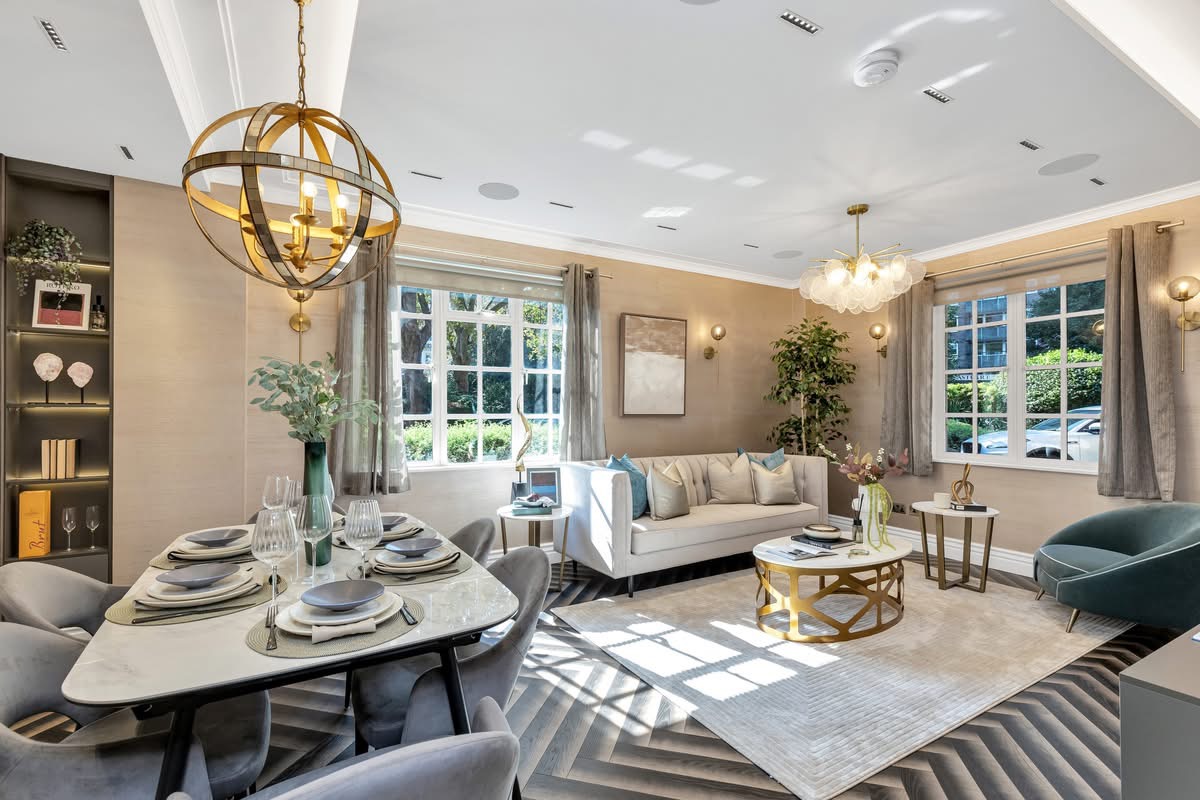
Chemical Staining and Tannin Pull in Spring: When Moisture Reactivates Wood Chemistry
New York City Wood Floors Chemical Staining and Tannin Pull in Spring: When Moisture Reactivates Wood Chemistry Not all spring staining is caused by water intrusion. In April, wood floors that appeared stable through winter may suddenly develop darkened patches, shadowing along joints, or irregular discoloration that seems to appear without warning. There is no…
-
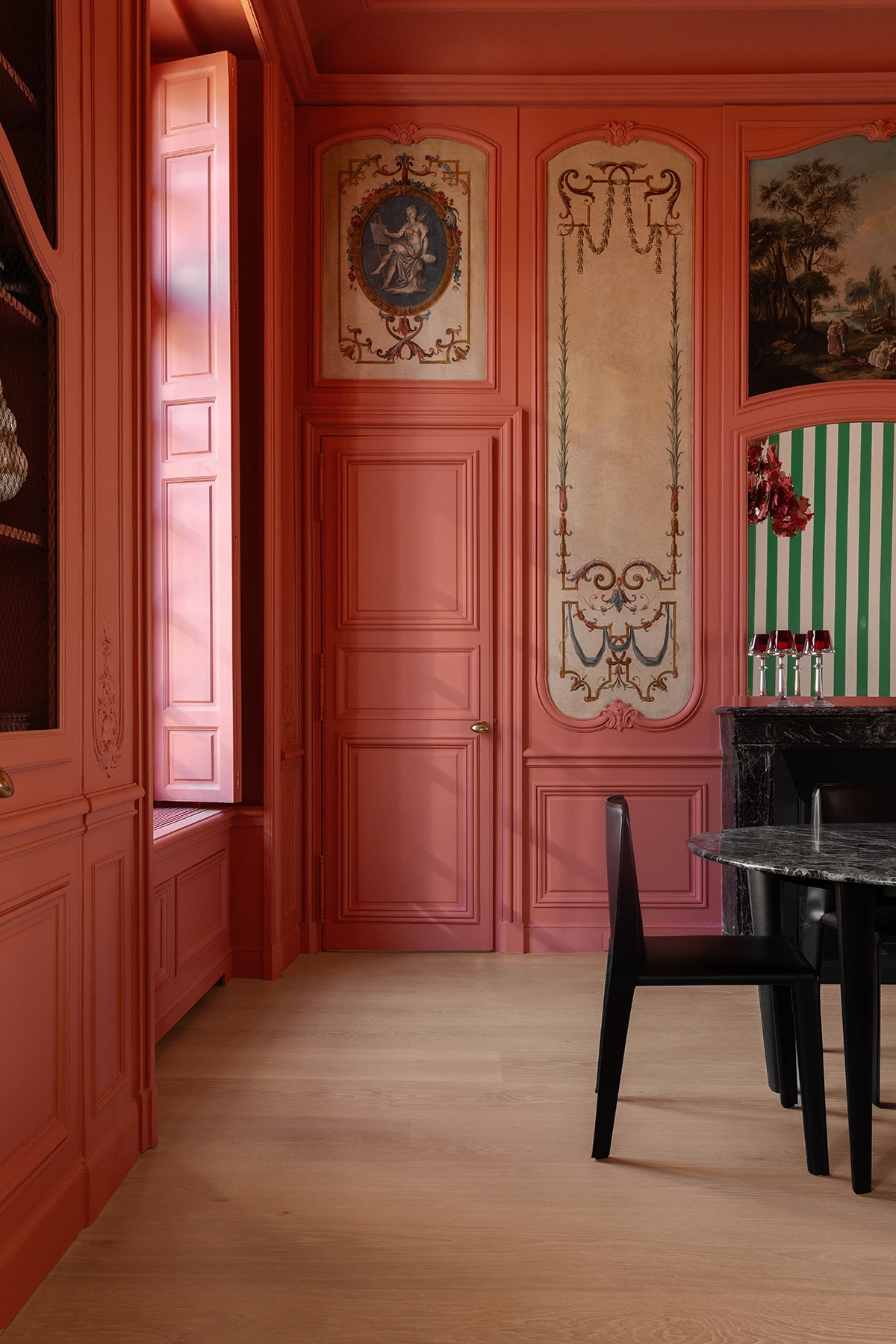
Grain Raise During Moisture Rebound: Why Wood Floors Feel Rougher in Early Spring
New York City Wood Floors Grain Raise During Moisture Rebound Why Wood Floors Feel Rougher in Early Spring By early spring, many wood floors appear visually unchanged—yet feel different underfoot. Homeowners notice subtle roughness when walking barefoot. Hands catch slightly when sliding across the surface. Light reflects differently, revealing texture that was not apparent during…
-

Telegraphing Fasteners and Dimpling: Moisture Rebound Effects on Subfloor Assemblies
New York City Wood Floors Telegraphing Fasteners and Dimpling Moisture Rebound Effects on Subfloor Assemblies Telegraphing fasteners and surface dimpling almost never appear at installation. They emerge later—often in early spring—when attention has already shifted away from winter-related movement and toward the assumption that floors should now be stabilizing. Instead, subtle surface irregularities become visible.…
-

Surface Impressions in Early Spring: When Winter-Dried Wood Becomes Vulnerable to Compression
New York City Wood Floors Surface Impressions in Early Spring When Winter-Dried Wood Becomes Vulnerable to Compression By early spring, many wood floors appear to be stabilizing. Winter gapping may be closing. Noise may be diminishing. Visual stress that dominated February begins to soften. Yet a new concern often emerges—one that surprises owners and professionals…
-
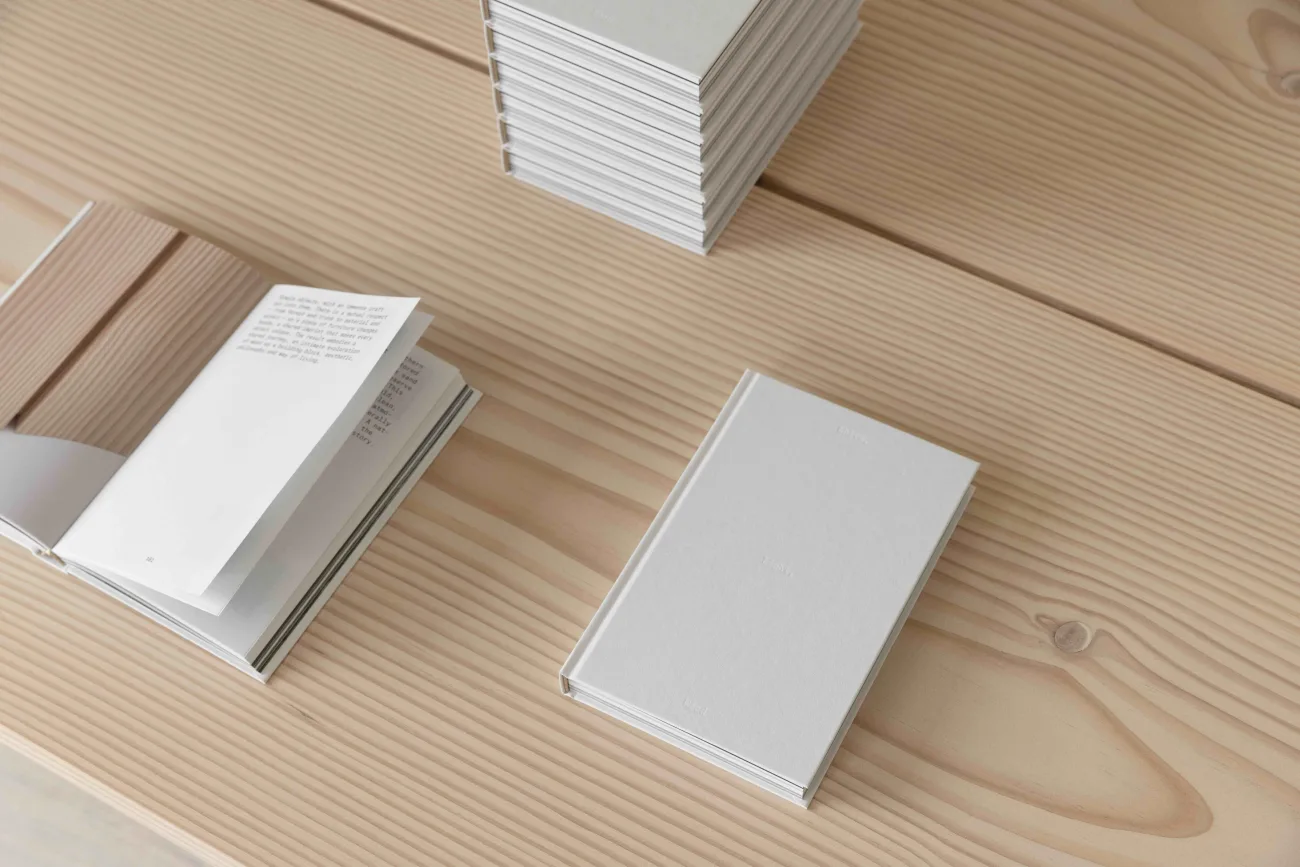
Crowning in Early Spring: When Moisture Rebound Reverses Winter Movement
New York City Wood Floors Crowning in Early Spring When Moisture Rebound Reverses Winter Movement Crowning almost never appears in winter. It emerges quietly, often in March, just as heating systems run less aggressively and interior humidity begins to rise. Floors that showed winter gapping or edge stress start to look different. Board centers lift…
-
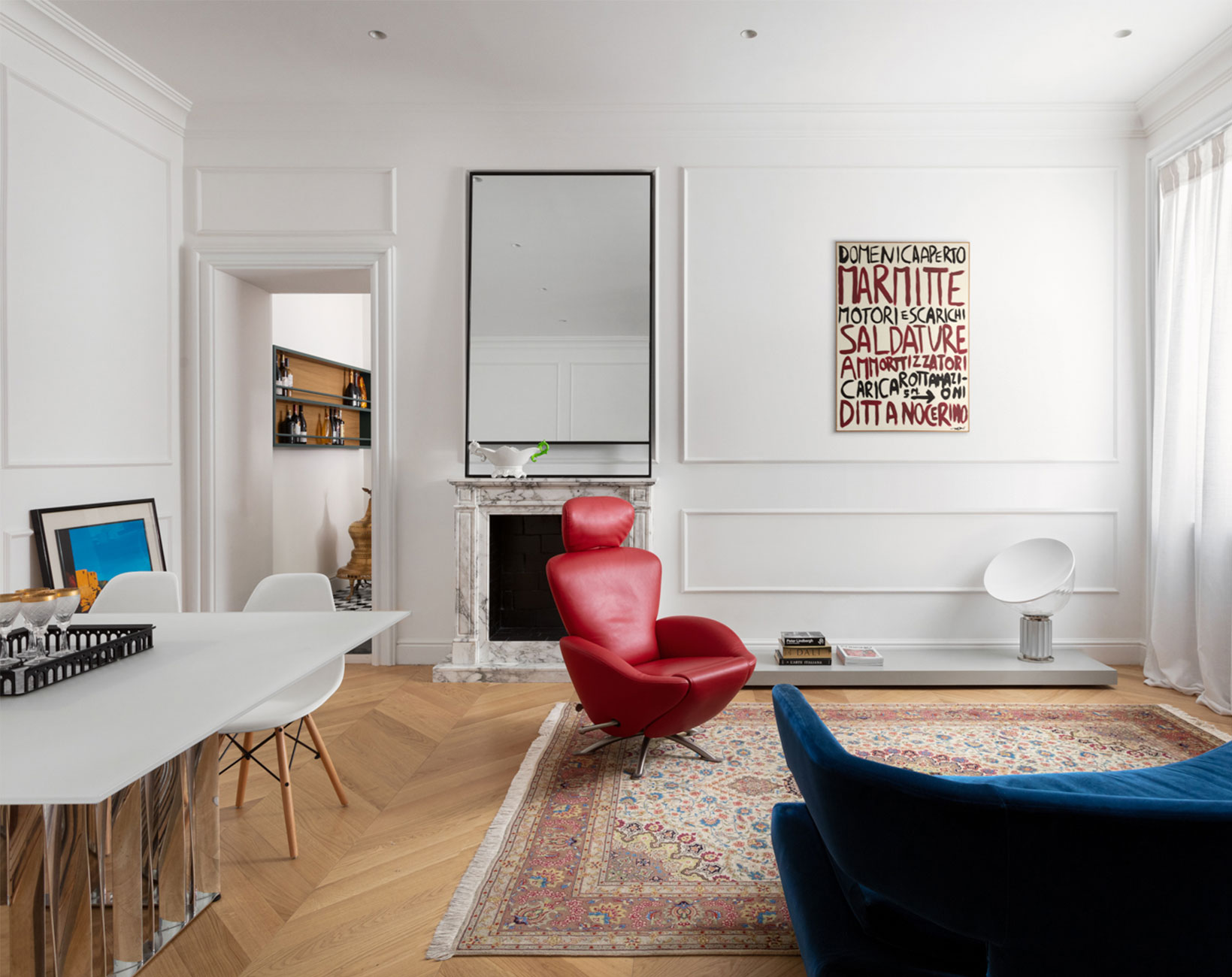
Filler Popping Out in Winter: Why Seasonal Repairs Fail—and Can Cause Permanent Damage
New York City Wood Floors Filler Popping Out in Winter: Why Seasonal Repairs Fail—and Can Cause Permanent Damage By mid-winter, visible gaps in wood flooring often trigger a familiar response: fill them. The reasoning feels sound. Gaps are visible. Occupants are concerned. The floor looks incomplete. A temporary repair seems harmless—especially when it promises immediate…
Categories
- Acclimation
- Alpine, New Jersey 07620
- Architects and Designers
- Bedminster NJ , 07921
- Bergen County
- Berkeley Height, NJ 07922
- Berkley Heights NJ, 07069
- Bernardsville NJ, 07924/07931
- Bespoke Wood Floors
- Best the of Best Wood Floors
- Bona
- Certified Inspector
- Cerused Wood floors
- Chatham Township, NJ 07928
- Chatham, Nj 07928
- Chelsea Floors
- Chelsea NYC
- Chelsea, NY 12512
- Chester Township, NJ 07930
- chevron new york city
- Chevron Wood Floors
- Colts Neck Township, NJ 07722
- Common Wood Flooring Problems
- Custom Wood Floors New York City
- Dumbo Brooklin, NY 11201
- DUMBO Brooklyn Wood Floor
- Dustless Sanding
- Edgewater, NJ 07020
- End Grain
- essex county
- Essex Fells, New Jersey 07021
- European wood flooring
- FAQ ABOUT WOOD FLOORS
- Flatiron District Wood Floors
- Flatiron, NY 10011
- Franklin Lakes, NJ 07417
- Fumed Oak Floors
- Glen Ridge, NJ 07059
- Glen Rock, NJ 07452
- Go Green
- Harding Township, NJ 07976
- Hardwood Floors
- Haworth, Nj 07641
- Ho-Ho-Kus, NJ 07423
- Hoboken, NJ 07030
- Install
- Intelaken, NJ 07712
- Issues With Your Wood Floors
- Kinnelon, Nj 07405
- Lenox Hill, NY 10075
- Little Silver, NJ 07739
- Livingston, NJ 07039
- Loba
- LV WOOD FLOORS
- Madison NJ, 07940
- Mahwah, NJ 07430
- Maintenance & Cleaning of Wood Floors
- Mantoloking
- Mendham Township, NJ 07945
- Midtown Manhattan Wood Floors
- MidTown Manhattan, NY 10017
- Midtown Manhattan, NY 10138
- Millburn ,NJ 07041
- Monmouth County
- Montclair, NJ 07028
- Montgomery, Nj 08502
- Montvale, NJ 07645
- Morris Township, NJ 07950
- Morristown NJ 07960-07963
- Mountain Lakes, NJ 07046
- Mountainside, NJ 07712
- New Providence, NJ 07974
- New York
- Noho,NY 10012
- North Caldwell, NJ 08553
- Old Tappen, NJ 07675
- Park Slope, NY 11215
- Princeton, NJ 08540
- Randolph, NJ 07869
- RECLAIMED WOOD FLOORS
- Refinish
- Ridgewood, NJ 07450
- Rockleigh, NJ 07647
- Rocky Hill, NJ 08553
- Rubio Monocoat
- Rumson New Jersey Wood Floors
- Rumson, NJ 07760
- Saddle River NJ 07458
- Sea Girt, NJ 08750
- Short Hills, New Jersey 07078
- SOHO WOOD FLOORS
- Soho, NY 10014
- Sports Floors
- Spring Lakes, NJ 07762
- Summit, New Jersey 070901
- Tenafly, NJ 07670
- Teterboro, NJ 07976
- THE EXPERT
- Tri-State Area
- Tribeca Wood Floors Trends
- Tribeca,NY 10013
- Tribecca Wood Floors
- Uncategorized
- upper east side
- Upper East Side, NY 10165
- Upper Montclair, NJ 07043
- Upper Montcliar, NJ 07043
- Upper Saddle River, Nj 07458
- Warren Township, NJ 07059
- Watchung, NJ 07069
- Westfield Hardwood Floors
- Westfield,Nj 07090
- Wide Plank
- WIDE PLANK FLOORS NEW YORK CITY
- Wide Plank Wood Floors
- Williamsburg Brooklyn New York
- WOCA
- Wood Floor Trends
- Wood Floor Trends New Jersey
- Wood Flooring
- Wood Flooring Consultants
- wood flooring problems and cures
- Wood Flooring Trends
- Wood Floors New York City
- Woodcliff Lake, NJ 07677
- Wyckoff, NJ 07481
- Zero Voc Floor Finishes